“I stayed engaged, and when you asked for stillness, I leaned in.”
Santa Barbara International Screenplay AwardsWinner, Best Screenplay · Diverse Writers Outreach
Work
Feature Film
Thrown from a cliff at birth, she survived.
Now, as smallpox tears across the Northwest Coast, she races for the medicine that can save her people, only to find it hoarded by the most feared chieftainess alive: her mother.
FormatFeature ScreenplaySettingNorthwest Coast, 1862GenreEpic Mythic ThrillerSourceJournals of Arthur Wellington Clah, Wellcome Collection, London
A completed feature and the foundation of a limited series.
The Million Dollar Mask · Feature · Supernatural Thriller · Begun at the Museum of Anthropology, 2008The Sea Otter Saves Princess Frog · Children’s Animation
Recognition
Recognized by film festivals, fellowships, and industry readers across nine countries and three continents.
Featured Recognition
Pitch Competition Winner
Austin Film Festival
USA · 2025
Runner-Up · Pitch Conference
American Film Market
USA · 2026
Silver Remi Award · Long Script
WorldFest-Houston
USA · 2026
Fellowship Award · All Disciplines
Artist Trust Fellowship
USA · 2026
Bold Voice Award
The Writers Lab Canada
Canada · 2026
Feature Screenplay Finalist
London International Screenwriting and Film Festival
United Kingdom · 2026
United States · Canada · United Kingdom · Germany · Sweden · Switzerland · Iceland · Russia · JapanBerlin · Tokyo · London · Montreal · St. Petersburg
The Verdict
“A writer who knows exactly what they are doing and why.”
Winner, Best Screenplay · Santa Barbara International Screenplay Awards, Diverse Writers Outreach
“It has the potential to become a landmark film, poetic, political, and unforgettable.”
Judge ML · PAGE International Screenwriting Awards
The Writer
University of Washington · B.A. Anthropology · Screenwriting Coursework
Original Enrollee · Sealaska Corporation
Bentwood Pictures · Washington State
Field Record
Princess Cruises
Ketchikan and Saxman Village · 1990
National Park Service
Sitka National Historical Park · 1992
New York Film Academy, Los Angeles
Filmmaking Intensive · 2005
U.S. Census Bureau
Tribal Partnership Specialist, Team Leader · 2010
Real Estate Broker
Oregon, Arizona, New Mexico · 2011–2018
Confederated Tribes of Warm Springs
Tribal Lands Development · 2013–2014
Gallup-McKinley County Schools
K-12 Teacher · Gallup, New Mexico · 2017–2018
U.S. Census Bureau
Partnership Coordinator, Washington State · 2018–2020
About
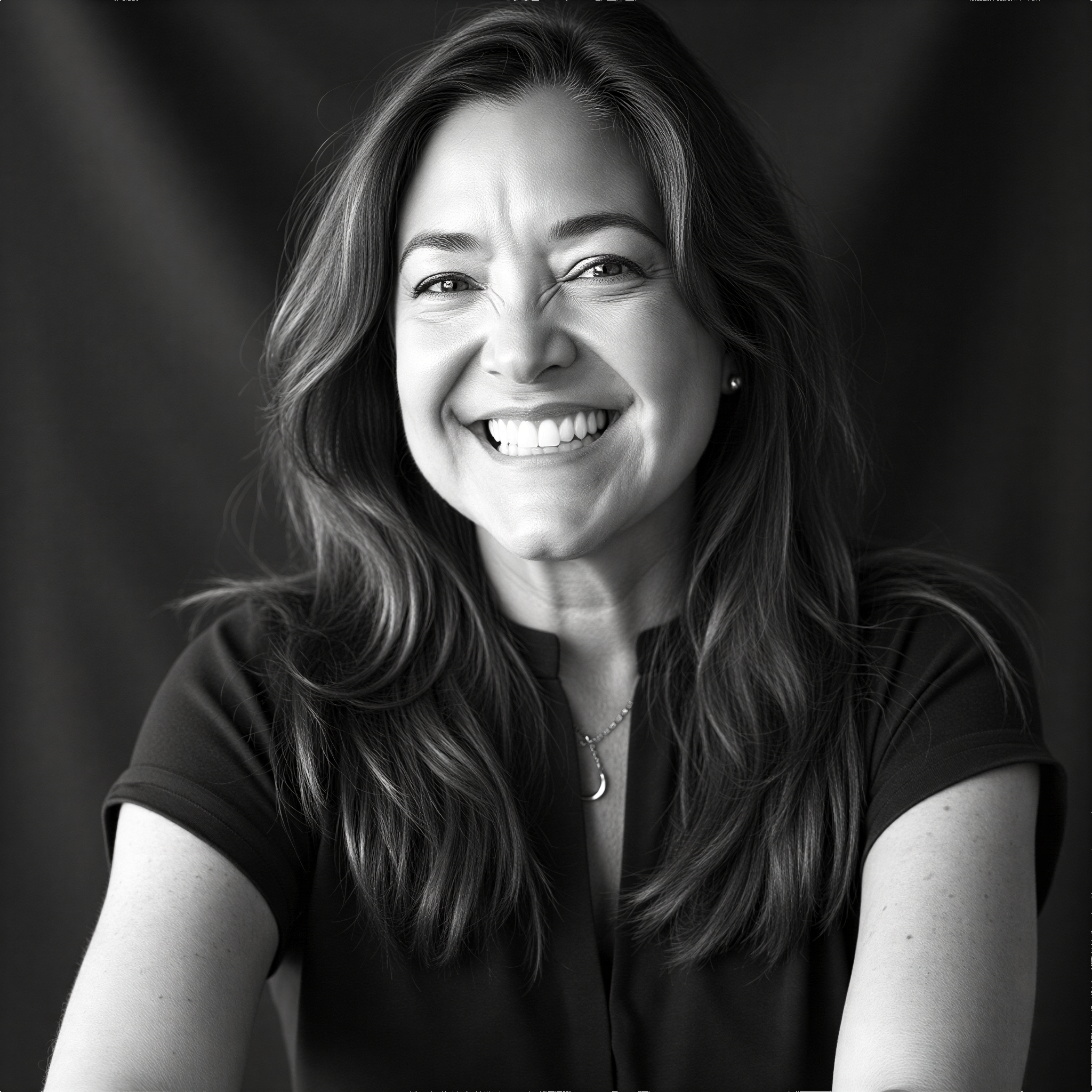
I’m Tobi Iverson. I write epics set on the Northwest Coast, in the contact era, where Indigenous and non-Indigenous worlds collided.
I’m drawn to this coast and its stories the way some people are drawn to music or mathematics. In my culture, story is how existence gets recorded: in oral histories, in formline art, in the carvings on totem poles and clan houses. I came to it through words instead.
I grew up telling people I was American Indian, not even Alaska Native, because nobody knew how to pronounce my tribe’s name. As a young woman in Seattle, my two best friends were Haida and Tlingit. I found elders who knew my grandparents. My Haida friend’s family, and many others in New Metlakatla and Prince Rupert, took me in. They spoke about our tribe and history with such pride and steadfast commitment: this is who we are, no matter what’s happened. I read about our culture, but through them, I felt it. In the 1990s, I was given my name at Kitsumkalum: Killer Whale Far Away.
I joined the cultural dance group and tried harvesting cedar bark for hats and baskets. I was a terrible weaver. I couldn’t sew a button on my blanket. My drumming was enthusiastically off beat. So I stuck with dreaming, reading, and writing.
I was a park ranger at Sitka and a tour guide on the coast. I led the tribal count for the 2010 Census across four states, worked inside tribal government at Warm Springs, taught a year in Gallup, New Mexico, then came back to run Washington State’s partnership program for the 2020 Census, a team of 25 that finished second in the nation. Real estate and small business filled the years between. We moved for John’s work with the federal government, the way military families do. Arizona, Oregon, New Mexico, then home to Washington. Southeast Alaska taught me my people’s history, and I felt it there. Beaches, river trails, mountains, boats on the water. The first time the plane came down into Ketchikan, and later Prince Rupert, something tingled in my bones. I know that sounds weird. It happens every time.
The Craft
What those jobs taught me as a writer: everyone has a story worth hearing. I see their story as a movie, and I hope someday it becomes one for them. I’ve listened since I was a kid, at the table with my grandparents and their friends as they told how they survived the Depression. You listen. Sometimes you dig. The gifts people hand you, whether you ever write them into a character or not, are what made me a writer. Character I never would have gleaned from books or TV. Sales and management made me a producer. Collaborate. Be your own advocate. Pitch. Ask for help. Keep going. That’s how it works in sports and business. I’ll get thrown to the ground. I don’t have to stay down.
In 2005, at Santa Fe Indian Market, I watched a Native woman premiere a documentary and thought, I could do this. I couldn’t afford film school, so I took a three-week filmmaking intensive in Los Angeles. I wrote, shot and produced my own short. I walked away wanting only to write. Then twenty years behind closed doors, off and on, some years more off than on. Classes. Every book on screenwriting and story I could find. Mythology through Joseph Campbell. Our own mythology, which runs through everything we do: our art, our way of life, our world view, our spirituality, our families. The myths as Marius Barbeau, Viola Garfield and William Beynon captured them, and many others. Nothing I put into the world until Wild Woman.
The research is relentless and I love it. I have more art and history books than I’ll ever finish reading. My computer literally sits on a stack of them. A screenwriting teacher once told me: whatever you write, for god’s sake, do not bore me. Tell a good yarn. Make me laugh. Make me feel something. That stuck. I want to make grown men cry at my movie. My husband John is my first test. If I read him a scene and it gets him, I know I’m on track. He’s heard a lot of scenes by now. Poor guy.
The History
Here’s what the history books don’t tell you about the Northwest Coast: from first contact in the late 1700s through the 1800s, our people were so sophisticated, so independent and so formidable that European powers wrote home about their own failure to outsmart or outmaneuver us. That’s the world I write. Not noble savages. Not headhunters. A people so strong it took a conspiracy to bring them down.
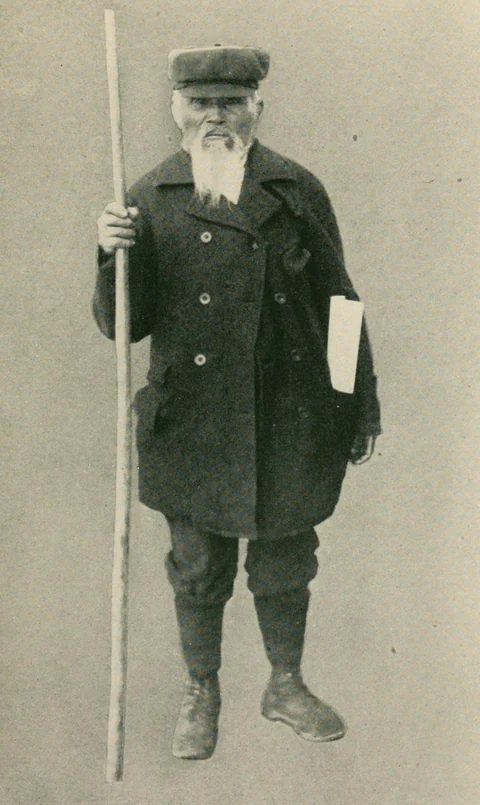
I first heard about my great-great-grandfather, Arthur Wellington Clah, from those same communities. He’s famous in our tribe. Controversial too. An intellectual warrior, a preacher, a chief. He once held a potlatch and gave away everything he owned in a night. He wrote it down in his diary in 1868. He planned to write his own history of our people. He never finished it.
I chose to write fiction for a reason. It’s not my story. It’s not autobiography. It’s a story I made up, inspired by real events, real cultures and real history, told through myth and imagination. History as written by empires is incomplete. Clah’s journals are one of the few first-person Native accounts from that time. He did that out of love and devotion to his people. Myth, story and imagination are how cultures fill what the archive leaves out.
Making up stories is a tradition too. I use pen and paper and write new myths. Or, as my Haida friend says, I’m great at making stuff up.
The People
The people who took me in made me proud of our culture and history. Strong men and matriarchs, proud of being Indian when the outside world tried to stop them. It was impossible.
I honor those who advance our language, arts and history today, the intellectual and artistic warriors of our time. My characters’ spirit, backbone and bravery are drawn from them. A culture that survived by refusing to go silent.
The Acts
Vancouver · 2008
Museum of Anthropology, UBC. Treasures of the Tsimshian from the Dundas Collection.
Gathered on the north coast in 1863. Sold at auction in New York in 2006 for seven million dollars. Forty-eight of them came home for four months before they went to their buyers.
I went to the opening. Tsimshian dancers, elders, leaders from Prince Rupert. There were tears, and there was anger. Then I walked through the exhibition alone.
I had seen these things before, in books and catalogues. Now they were in front of me. My ancestors made these. Held these.
A carved spoon stopped me. Then a grease bowl. Then another. They put that much thought into a thing you eat with. Every piece marked by clan or family, or telling a story. I wanted to know why.
I felt those objects speak to me through the glass.
I left knowing I wanted to write these stories. I wanted someone else to feel what I felt in that room.
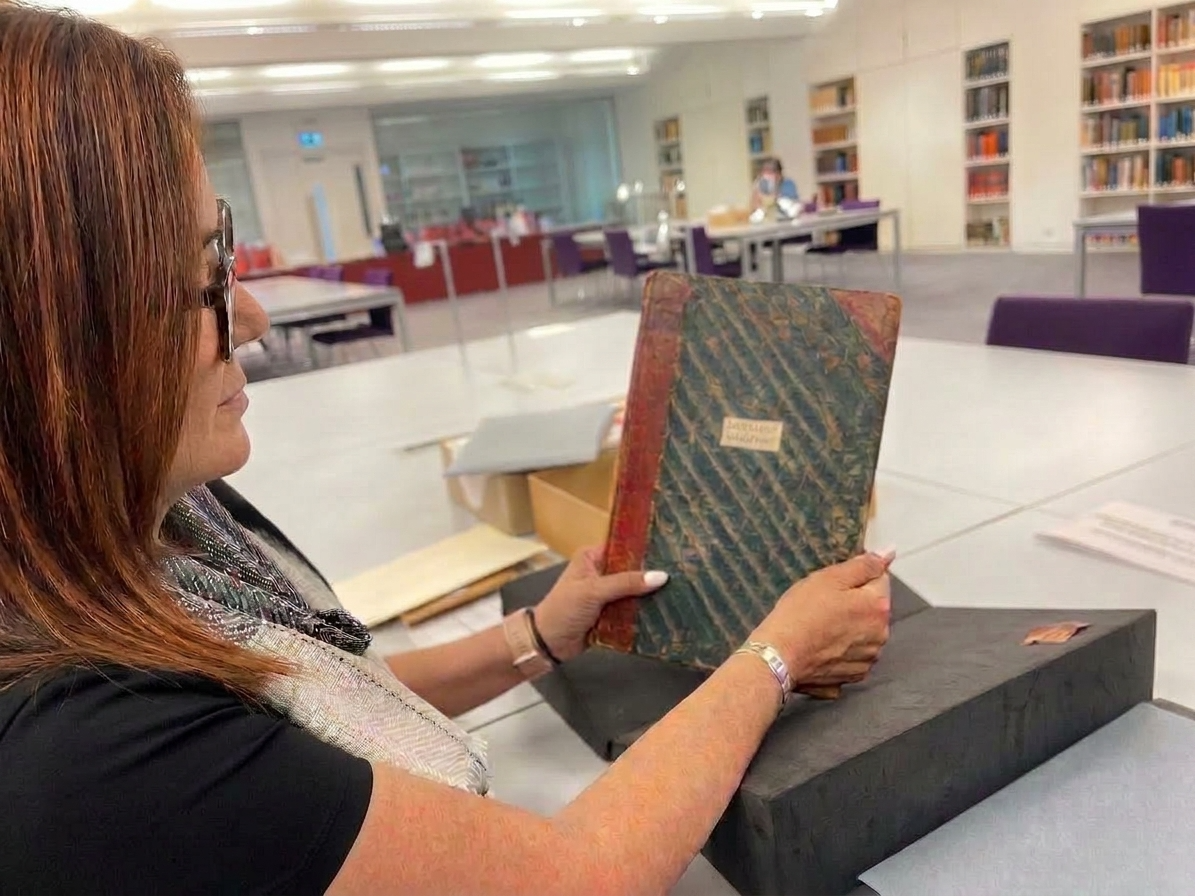
Wellcome Collection. Arthur Wellington Clah’s journals.
Wellcome Collection, London · March 2023.
More than 650,000 words, in a language he had studied for only two months.
He capsized in the Skeena in January. Ice an inch thick. Half an hour in a freezing river. He swam to shore. He wrote it down. Then he kept going.
He wrote his mission across every journal I touched: ‘writed by him to let all new people know about old People.’
When smallpox reached Fort Simpson in 1862, the epidemic at the heart of this film, Clah counted the dead in his own village. He wrote every number down.
When I held that journal in London, I knew.
Seattle · 2026
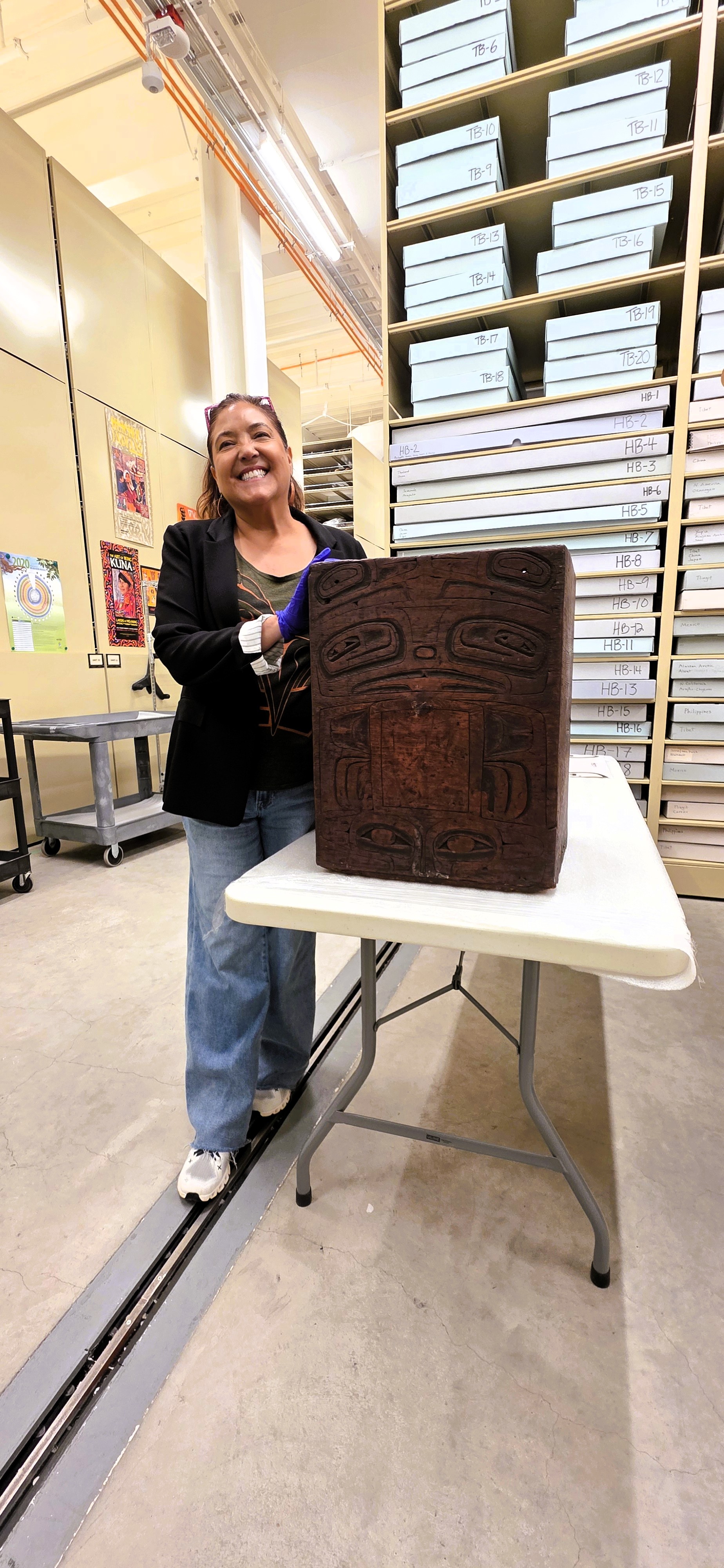
Burke Museum. Bill Holm Center · Connections to Culture.
Bill Holm Center, Burke Museum · 2026.
I was selected to study the Northwest Coast collection. Two days in the archives with objects dating to pre-contact: bentwood boxes, Chilkat robes, raven rattles, masks from the Nass River.
One box stopped me. No lid. Lost somewhere across two centuries. A hole in the corner from a mouse. I wore gloves. I put my hands on it anyway.
I asked how old. Pre-contact, they told me. But the wood it was made from: older. The dirt it grew in held the bones and dust of those ancestors. Much older than that.
Clah knew boxes like this. He may have known this one.
The Obligation.
“If he could write for fifty years, I can finish a screenplay. It’s an obligation. The good kind.”
The record-keeping did not stop with Clah. His grandson, William Beynon, became the leading ethnographer of the Tsimshian peoples. Franz Boas himself sought the family’s collaboration.
Clah learned to write so new people would know about old people. I am one of the new people. One of the many he hoped wouldn’t forget our families.