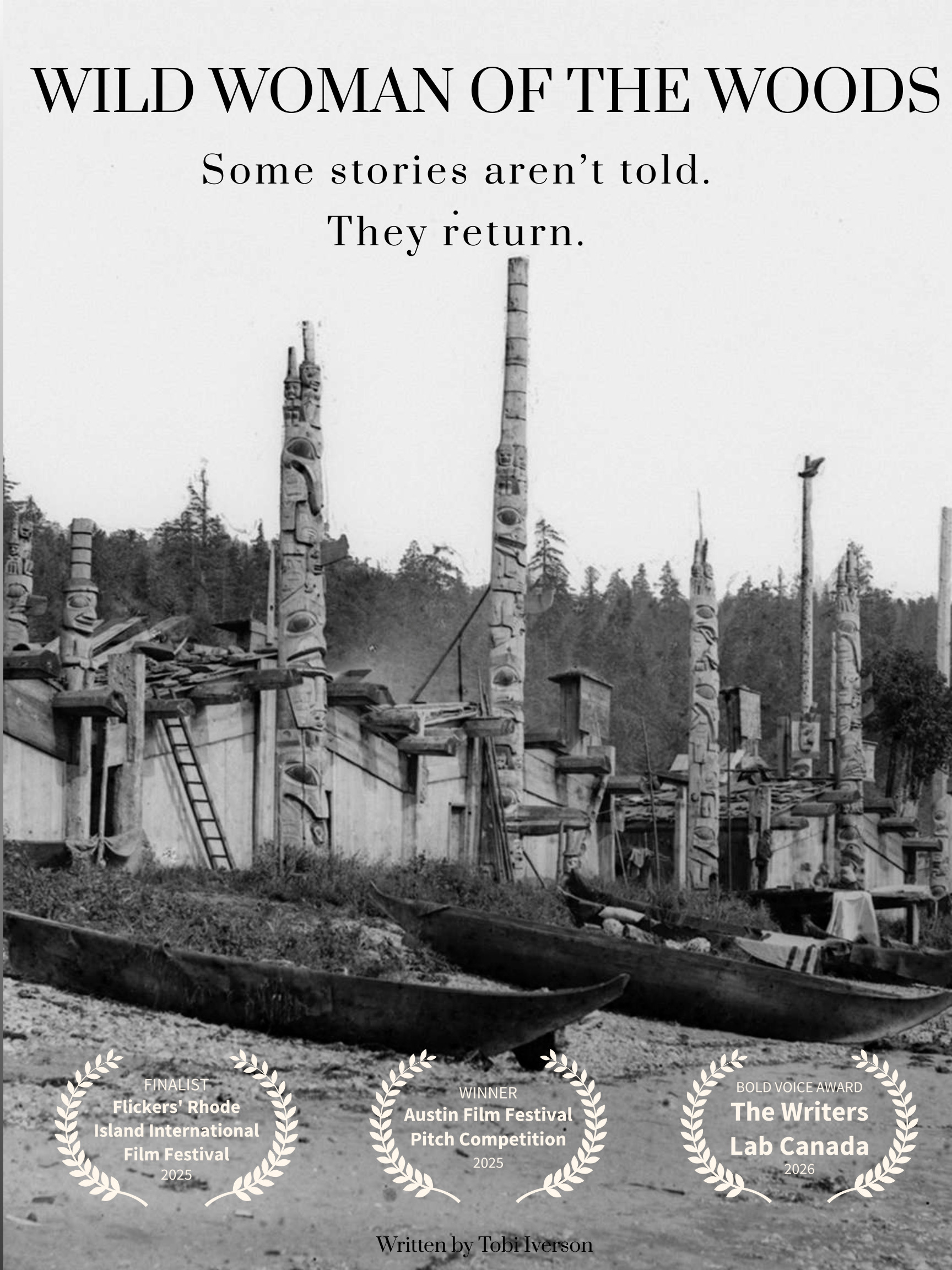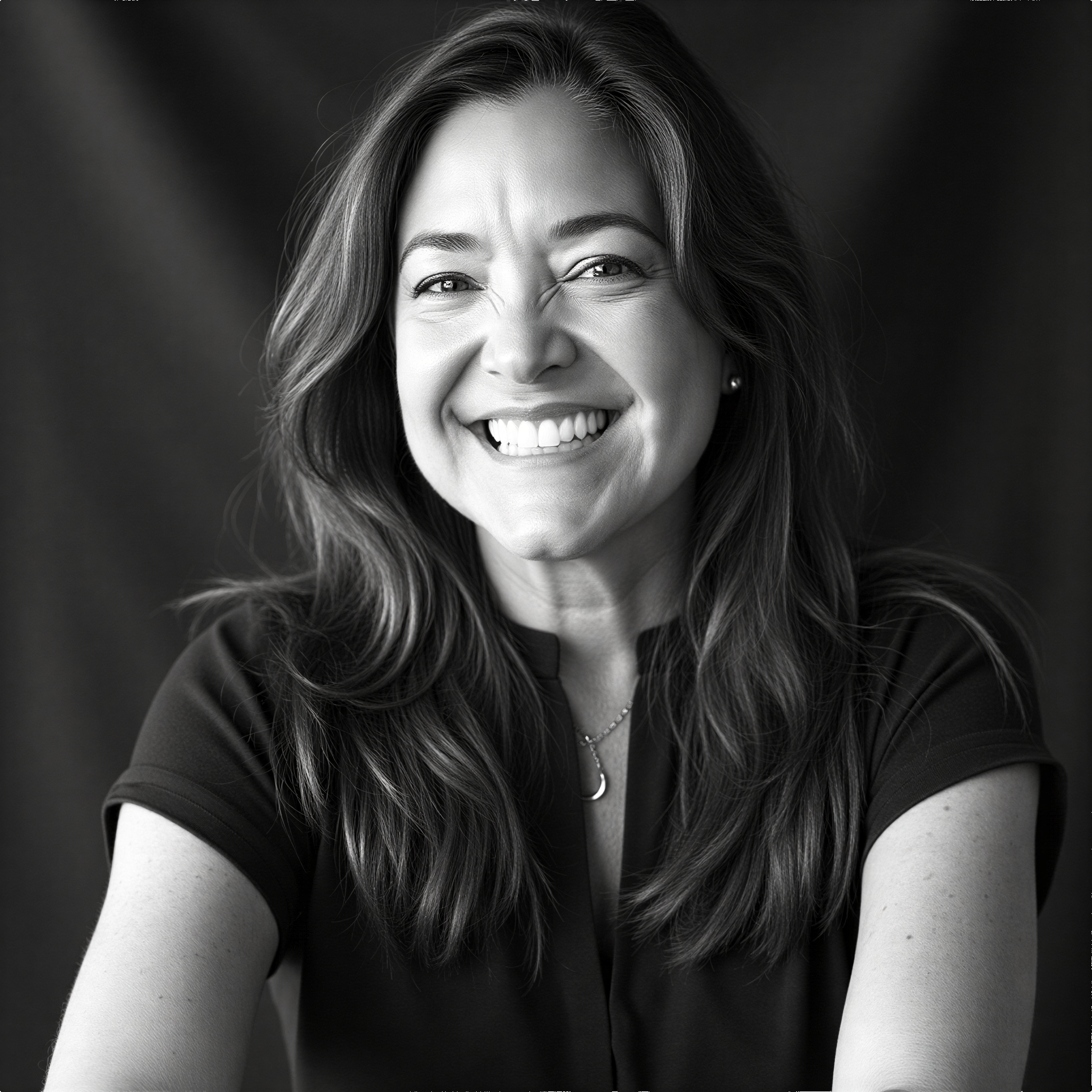
I’m Tobi Iverson. I write historical epics set on the Northwest Coast.
In second grade, my teacher told my mother, “We have an author on our hands.”
I’m drawn to this coast and its stories the way some people are drawn to music or mathematics.
I grew up telling people I was American Indian, not even Alaska Native, because nobody knew how to pronounce my tribe’s name.
As a young woman in Seattle, my two best friends were Haida and Tlingit. I found elders who knew my grandparents. My Haida friend’s family, and many others in New Metlakatla and Prince Rupert, took me in. In the 1990s, I was given my name at Kitsumkalum: Killer Whale Far Away.
I joined the cultural dance group and tried harvesting cedar bark for hats and baskets. I was a terrible weaver. I couldn’t sew a button on my blanket. My drumming was enthusiastically off beat. So I stuck with dreaming, reading, and writing.
Long before film, I was a park ranger at Sitka and a tour guide on the coast. I led federal partnership programs with tribal nations across four states, and worked in government, real estate and small business. I learned the craft of writing on my own time.
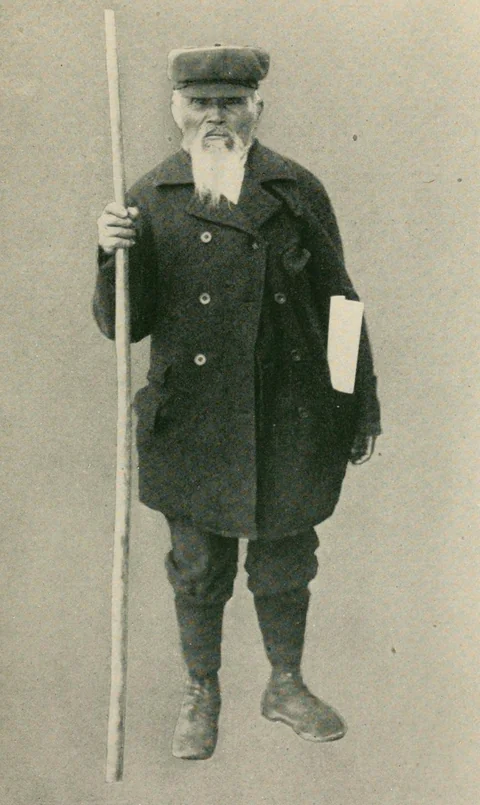
I first heard about my great-great-grandfather, Arthur Wellington Clah, from those same communities. He’s famous in our tribe. Controversial too. An intellectual warrior, a preacher, a chief. He once held a potlatch and gave away everything he owned in a night. He wrote it down in his diary in 1868.
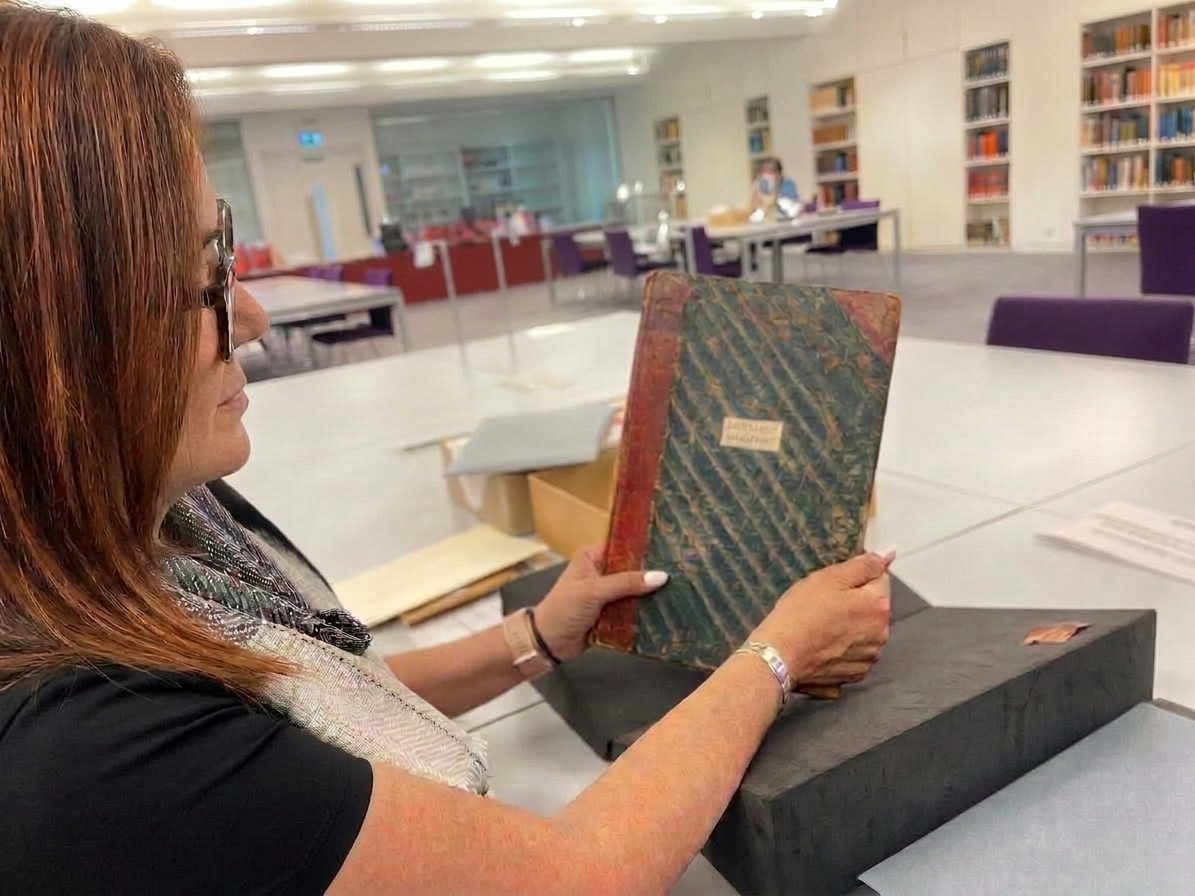
He left sixty-nine journals spanning half a century. Scholars have studied them, trying to decode who he was. They were held safely in London for me to see in person. He planned to write his own history of our people. He never finished it.
I chose to write fiction for a reason. Most of the records that exist were written by people who benefited from their point of view about Natives. Clah’s journals are one of the few first-person Native accounts from that time. He did that out of love and devotion to his people.
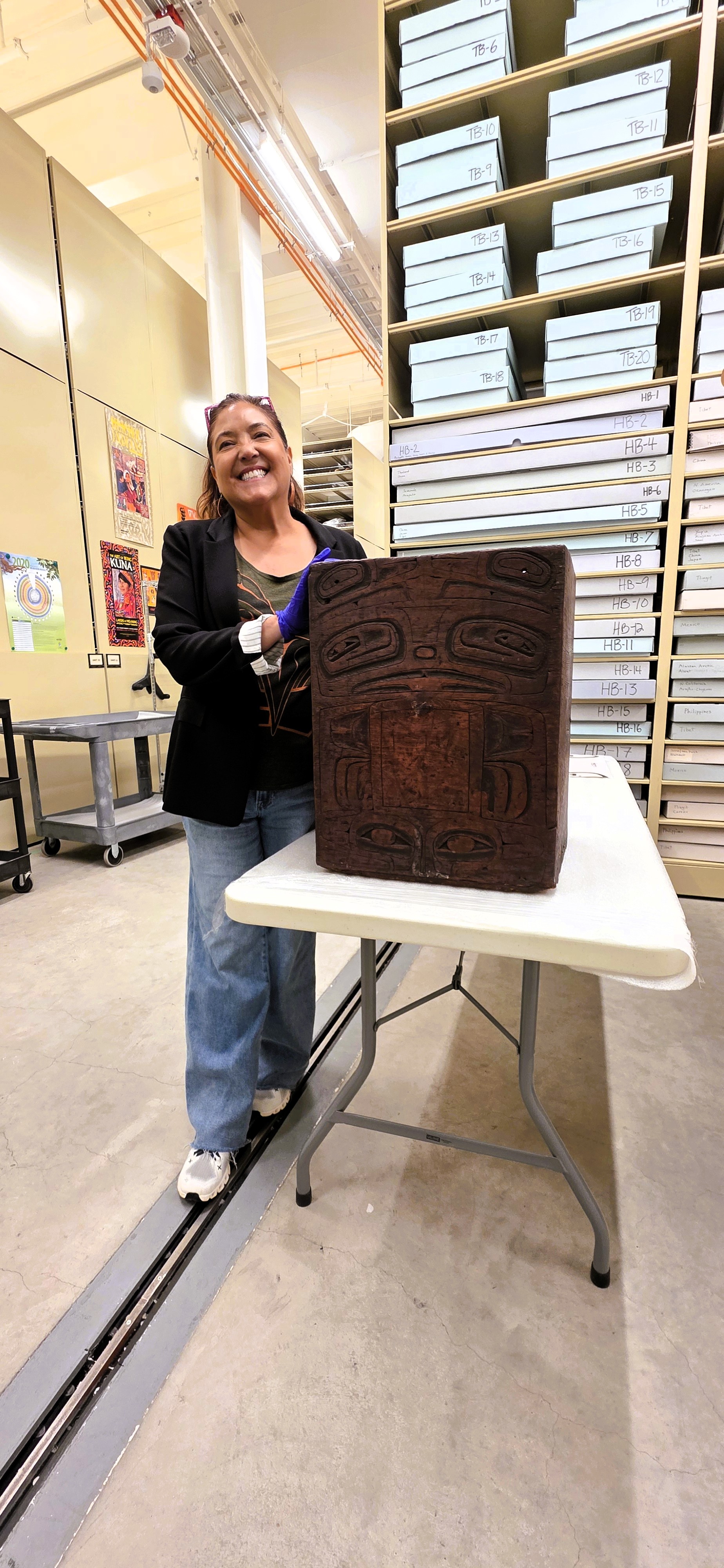
Making up stories is a tradition too. Carvers tell their stories in cedar, alder, silver and gold. I use pen and paper and write new myths. Or, as my Haida friend says, I’m great at making stuff up.
The people who took me in made me proud of our culture and history. Strong men and matriarchs, proud of being Indian when the outside world tried to stop them. It was impossible.
I honor those who advance our language, arts and history today, the intellectual and artistic warriors of our time. My characters’ spirit, backbone and bravery are drawn from them.